
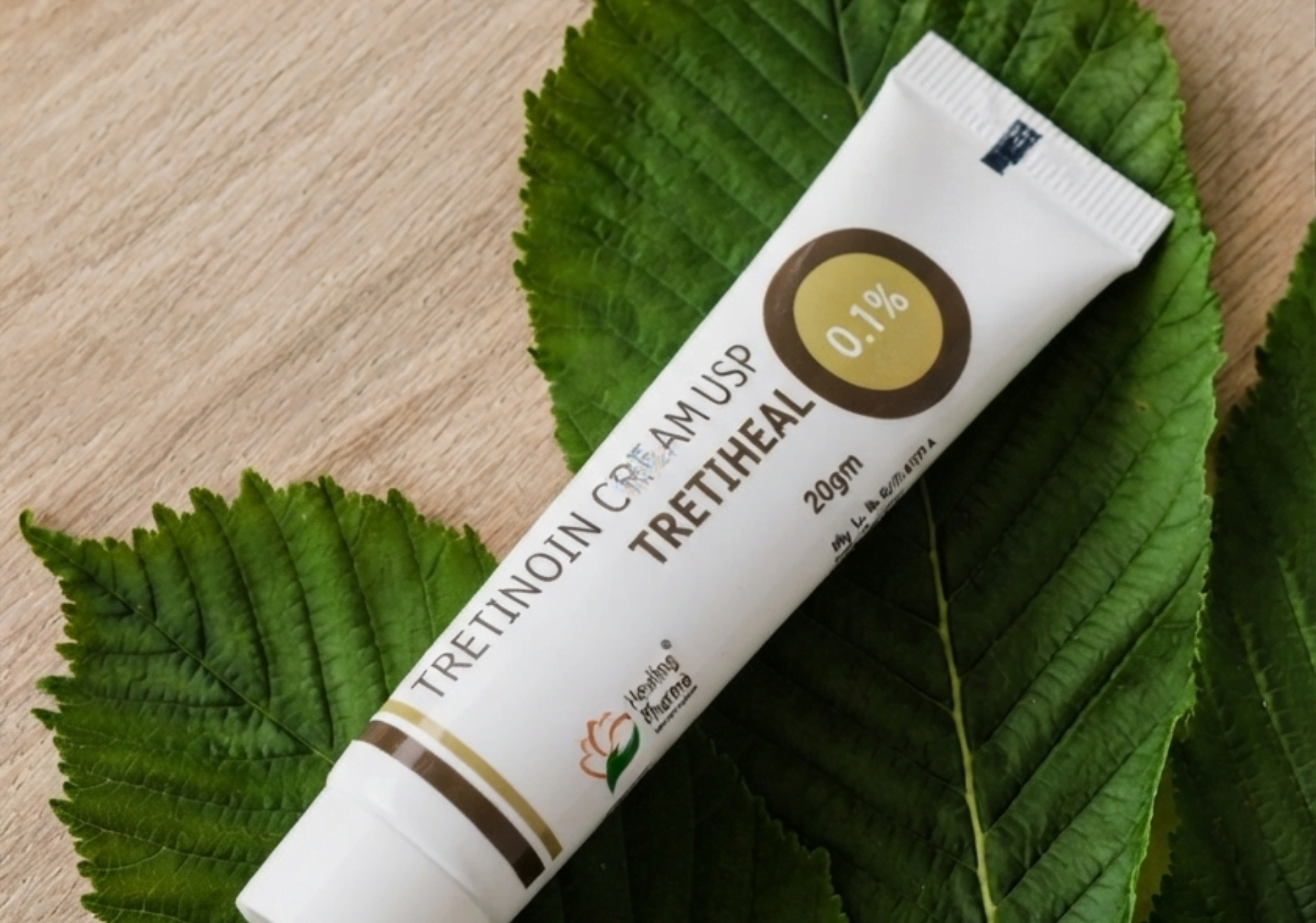

If you've been struggling with stubborn acne, dark spots, or the first signs of fine lines, chances are you've come across tretinoin cream. Dermatologists have prescribed it for decades because it's one of the most researched and effective topical treatments available. But many beginners aren't sure how it works, when they'll see results, or how to use it without irritating their skin.
In this guide, you'll learn what tretinoin cream is, what it's used for, how it compares with retinol, how to apply it correctly, and the common mistakes to avoid for the best possible results.
What Is Tretinoin Cream?
Tretinoin cream is the generic name for synthetic vitamin A. Tretinoin is a medication used to treat acne and sun-damaged skin. It can’t erase deep wrinkles, but it can help improve the appearance of surface wrinkles, fine lines, and dark spots.
Instead of simply treating the surface of your skin, tretinoin works deep inside to improve how your skin renews itself.
That is one of the biggest reasons dermatologists have trusted it for years.
Unlike many cosmetic creams that mainly hydrate or temporarily brighten the skin, tretinoin actively changes the way skin behaves over time.
Tretinoin is sold under a variety of brand names, Retin-A is one of those brand names which shouldn’t be confused with retinol.
What's the difference between Tretinoin and Retinol ?
Retinoids are a family of vitamin A derivatives widely used in skincare. Both Tretinoin and Retinol belong to this group, but they differ in strength and how they work.
While both are applied topically and can help treat common skin concerns such as acne, fine lines, wrinkles, and uneven skin texture, they are not the same. They work by speeding up skin cell turnover and boosting collagen and elastin production, which helps make the skin look smoother, firmer, and healthier. However, tretinoin is much more potent and works faster, whereas retinol is gentler and available over the counter, making it a better choice for beginners or those with sensitive skin.
| Feature | Tretinoin | Retinol |
|---|---|---|
| Strength | High | Mild |
| Prescription | Usually Yes | No |
| Results | Faster | Slower |
| Irritation | Higher | Lower |
| Best For | Moderate to severe acne, aging | Beginners |
Tretinoin Cream Strengths
Tretinoin cream is available in several strengths, and choosing the right one depends on your skin type and treatment goals.
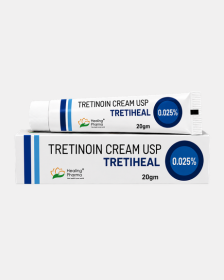
- 0.025% Best for beginners or people with sensitive skin.
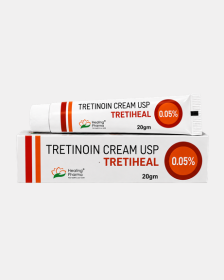
- 0.05% A popular choice for treating acne, pigmentation, and early signs of aging.
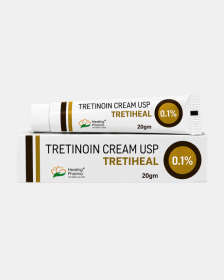
- 0.1% The strongest concentration, usually recommended for experienced users under the guidance of a healthcare professional.
Starting with a lower strength can help reduce irritation while allowing your skin to gradually build tolerance.
What Is Tretinoin Cream Used For?
Most people start using tretinoin for one reason, but many notice additional improvements after several months.
1. Acne Treatment
This is probably the most common reason people receive a tretinoin prescription.
Tretinoin cream helps by:
- Preventing clogged pores
- Reducing blackheads
- Reducing whiteheads
- Helping inflammatory acne heal faster
- Lowering future breakouts
One thing I noticed personally was that new pimples gradually became less frequent after several weeks of consistent use.
2. Acne Scars and Post-Inflammatory Marks
Many people confuse acne scars with dark spots.
Tretinoin cream helps fade:
- Brown acne marks
- Red post-acne spots
- Mild uneven pigmentation
It won't completely remove deep scars, but it can noticeably improve overall skin appearance by encouraging faster skin renewal.
3. Fine Lines and Wrinkles
This is another reason tretinoin cream has become so popular.
With long-term use, it can:
- Improve skin texture
- Reduce fine lines
- Increase collagen production
- Make skin appear smoother
The changes happen gradually rather than suddenly.
4. Sun Damage
Years of sun exposure can leave skin looking rough and uneven.
Tretinoin cream may improve:
- Rough texture
- Uneven tone
- Mild pigmentation
- Dull-looking skin
However, sunscreen becomes even more important because tretinoin makes skin more sensitive to sunlight.
5. Possible Side Effects of Tretinoin
Like most prescription skincare treatments, tretinoin cream can cause temporary side effects while your skin adjusts.
Common side effects include:
- Dryness
- Peeling
- Redness
- Mild burning or stinging
- Increased sensitivity to sunlight
- Temporary acne purging
These reactions are usually mild and improve over time. If you experience severe irritation, swelling, or an allergic reaction, stop using the product and consult your healthcare provider.
6. Hyperpigmentation
Many dermatologists combine tretinoin cream with other treatments for pigmentation issues.
It can help improve:
- Melasma (when recommended by a dermatologist)
- Age spots
- Post-inflammatory pigmentation
- Uneven skin tone
My First Month: What Nobody Tells You
When you start tretinoin cream, your skin usually gets worse before it gets better. This is often called "purging" or the "retinization" period. Mine looked flaky, red, and tight for about three to four weeks. I thought I was allergic. I wasn't. My skin was just adjusting to the faster cell turnover.
A few things I wish I'd known going in:
- It's not an instant fix. Most people don't see real results until 8 to 12 weeks in, and full results can take several months.
- Less is more. I used way too much the first time, thinking faster application meant faster results. It just meant more irritation.
- Sun sensitivity is real. Tretinoin makes your skin more vulnerable to sunburn, so daily sunscreen isn't optional anymore, it's mandatory.
A Simple Morning and Night Routine
Morning
- Gentle Cleanser
- Moisturizer
- Broad-spectrum SPF 30 or higher sunscreen
Night
- Cleanse your face.
- Wait until your skin is completely dry.
- Apply a pea-sized amount of tretinoin.
- Finish with a moisturizer.
Keeping your routine simple helps reduce irritation and allows tretinoin to work more effectively.
A Simple Step-by-Step Way to Start
Following a simple routine makes a huge difference.
1. Get it prescribed properly
Talk to a dermatologist or use a legitimate telehealth dermatology service. Skip random online sellers. you want the real thing at the right strength for your skin.
2. Start slow, like really slow
Most people begin using it just two or three nights a week, not every night. Your skin needs time to adjust.
3. Cleanse and fully dry your face first
Applying tretinoin cream to damp skin increases irritation. I learned this the hard way after wondering why my face felt like it was on fire one night.
4. Use a pea-sized amount
That's genuinely all you need for your whole face. More product does not mean more results, it just means more redness and flaking.
5.Moisturize before or after
Some people use the "sandwich method," where you apply a light moisturizer, then tretinoin, then another layer of moisturizer on top. This buffers the irritation without cancelling out the benefits. I do this every time now.
6. Sunscreen, every single morning
Even on cloudy days, even if you're mostly indoors. I use a basic SPF 30+ and reapply if I'm outside for a while.
7.Be patient
Give it at least three months before deciding whether it's working. I almost quit at week four, and week four is basically nothing in tretinoin time.
Common Mistakes People Make (Including Me)
Using it every night from day one
Your skin needs time to adjust. Start with two or three nights a week, then gradually increase the frequency as your skin builds tolerance.
Skipping sunscreen
This is one of the biggest mistakes people make. Tretinoin makes your skin more sensitive to UV rays, so wearing a broad-spectrum SPF 30 or higher every morning is essential to protect your skin.
Mixing it with strong active ingredients too soon
I once used a powerful exfoliating acid on the same night as tretinoin, and my face became red, dry, and stung for nearly two days. Now I use exfoliating acids on separate nights, which has made a huge difference.
Expecting fast results
Tretinoin isn't a quick fix. Real improvements in acne, skin texture, and fine lines take patience and consistent use over several weeks or months.
Buying from untrusted websites
Since tretinoin is a prescription-strength medication in many countries, it's important to buy it from licensed pharmacies or reputable telehealth providers. I personally purchased my tretinoin cream from ordertretinoin.com, and my experience was smooth and reliable. No matter where you buy it, always make sure the source is legitimate and sells genuine products.
Applying too much product
A pea-sized amount is enough for your entire face. Using more won't make it work faster, it will only increase dryness, peeling, and irritation.
Who Should Be Careful With Tretinoin?
Tretinoin isn't suitable for everyone.
You should speak with a healthcare professional before using it if you:
- Are pregnant or planning pregnancy
- Have extremely sensitive skin
- Have eczema or severe skin irritation
- Are using other prescription acne medications
- Have a known allergy to any ingredient in the product
A dermatologist can help determine whether tretinoin is the right choice for your skin.
Frequently Asked Questions
Yes, Beginners should start with a low strength and apply it two or three nights per week before gradually increasing frequency.
Many people eventually use it nightly, but beginners usually benefit from starting only a few nights per week and increasing gradually if their skin tolerates it.
Many people notice smoother skin within 6 to 8 weeks, while improvements in acne and pigmentation may take 3 to 6 months.
Yes. Just make sure your skin is moisturized and apply tretinoin at night after removing all makeup.
Medical Disclaimer
This article is for informational purposes only and does not replace professional medical advice. Tretinoin may cause dryness or irritation. Follow your prescriber’s instructions and consult a healthcare professional for severe or persistent irritation.