
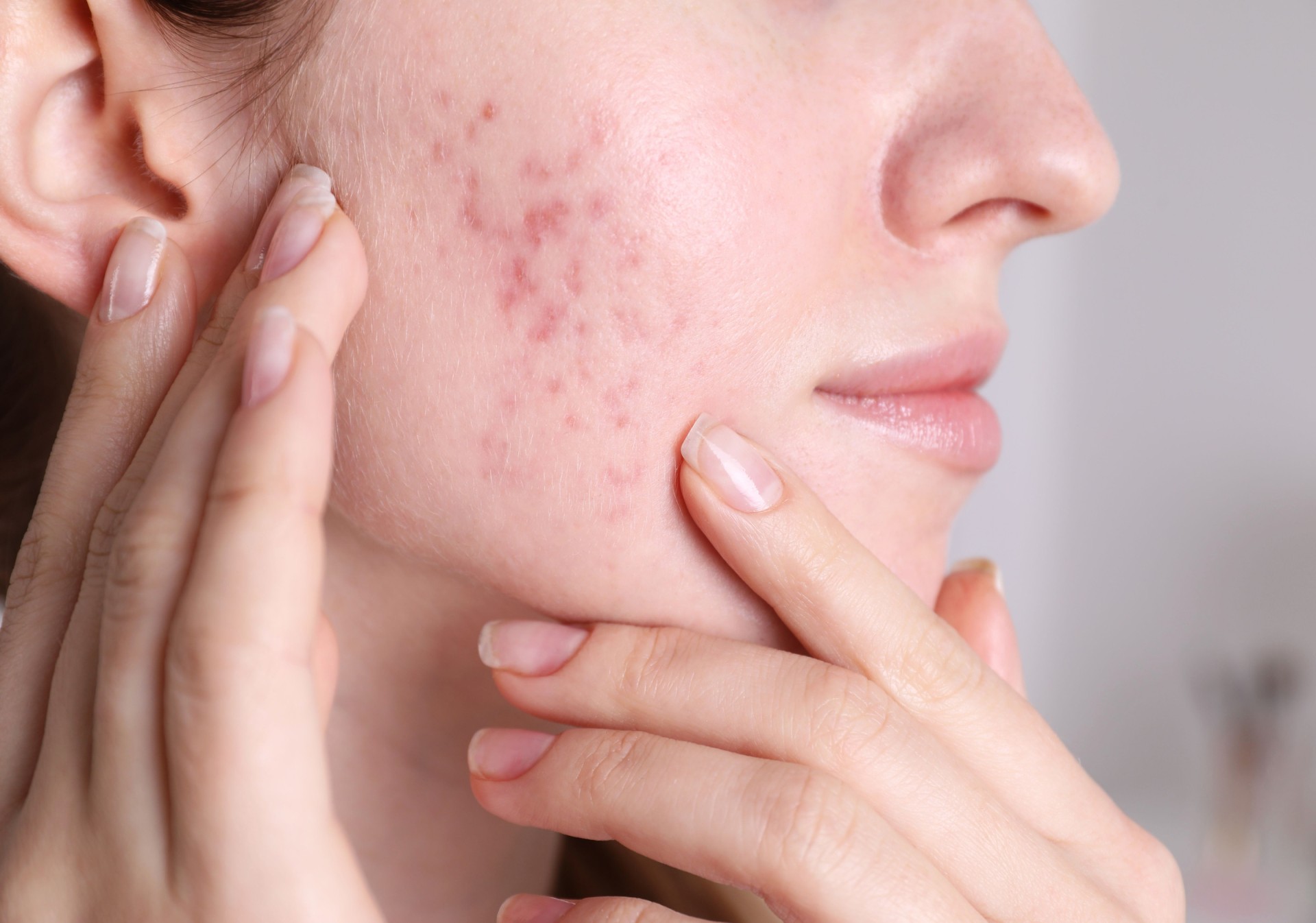

Does Tretinoin Work for Acne?
The acne drug Retin-A is a generic version of topical tretinoin. In the United States, topical tretinoin is only available with a prescription. Adapalene is the only retinoid drug available over the counter. In most cases, topical tretinoin is used to treat active breakouts as a short-term therapy as well as a long-term treatment choice. It’s used to treat acne lesions that are difficult to remove.
Tretinoin works for a lot of people, but it doesn’t work for everyone. Continue reading to learn more about tretinoin and what you should know before using it to treat acne.
The advantages of using tretinoin to treat acne
Tretinoin belongs to a group of medications called retinoids, which are derived from vitamin A. Rather than simply drying out pimples, tretinoin works deep within the skin to improve the natural skin renewal process.
As new skin cells are produced, older dead skin cells are shed more quickly. This faster cell turnover helps keep pores clear and reduces the buildup of oil, bacteria, and dead skin that commonly causes acne.
Some of the biggest benefits of tretinoin include:
- prevention of the blockage of pores, which leads to the development of acne.
- Decrease of blackheads and whiteheads
- Rapid healing of inflammatory acne
- Control of excessive production of sebum
- Prevention of further breakouts
- Improvement of skin texture
- helping get rid of post-acne scars
Because tretinoin also has anti-inflammatory properties, it can reduce the redness and swelling associated with moderate acne. Understanding Does Tretinoin Work for Acne? is also important because these benefits generally depend on continued, consistent use.
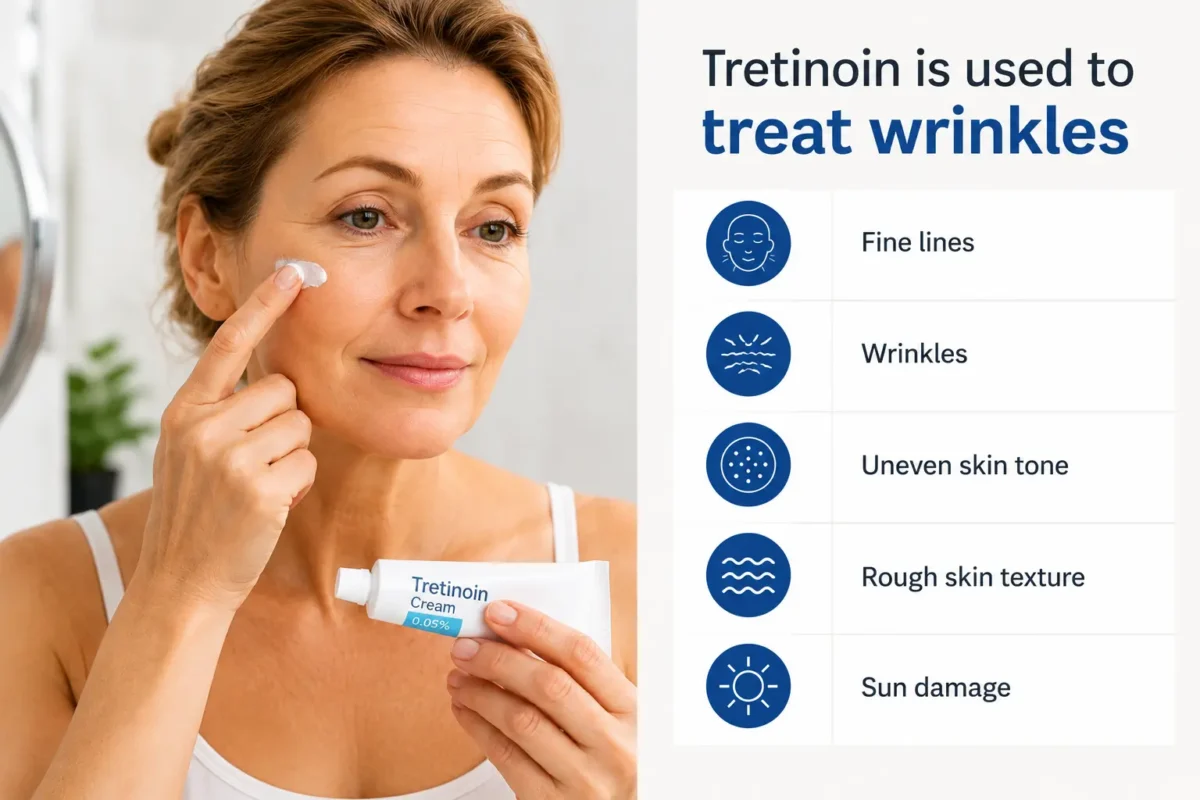
Tretinoin is used to treat wrinkles
While tretinoin is commonly recognized for its effectiveness against acne, it has also emerged as one of the most reliable compounds to be used for reversing signs of skin aging.
It has been established that tretinoin increases the production of collagen in the skin, and increases skin cell turnover. Over time, tretinoin may help minimize the following skin problems:
- Fine lines
- Wrinkles
- Uneven skin tone
- Rough skin texture
- Sun damage
Acne scars treated with tretinoin
Aside from helping to regulate active acne, tretinoin can also make the affected skin smoother by reducing acne scars and post-inflammatory hyperpigmentation.
Through its mechanism of promoting rapid renewal of skin cells, tretinoin can effectively reduce the presence of dark spots caused by acne breakouts and even mild acne scars.
These effects help explain why Does Tretinoin Work for Acne? is a useful question for anyone dealing with both active acne and the marks it leaves behind. Although tretinoin can effectively improve the condition of the skin, deep acne scars would need further medical procedures like chemical peel, micro-needling, or laser therapy.
Side effects of tretinoin
The use of tretinoin for acne can have negative side effects. Some adverse effects may be more severe than others, and not everyone will experience them all. The following are examples of possible negative effects:
- skin that is hot or itching
- unusual dryness of your skin
- skin that feels warm to the touch skin that turns a lighter colour at the application location
- peeling or redness on your skin
Does Tretinoin Work for Acne? The effects of tretinoin can take up to 12 weeks to appear. If using it causes your skin to get inflamed, consult a doctor to establish if your symptoms are within the typical range for OTC tretinoin.
Tretinoin should not be used by women who are pregnant or breastfeeding.
When you’re using tretinoin, you should be extremely cautious about sun exposure. Tretinoin, like all retinoids, thins your skin, making it more vulnerable to UV damage and sunburn.
If you're wondering Does Tretinoin Work for Acne?, remember that proper application and sun protection are important parts of treatment. Avoid unnecessary sun exposure, use broad-spectrum sunscreen, and consider additional protection such as wearing a wide-brimmed hat when outdoors.
If you think you’re having an allergic response to tretinoin or are experiencing major adverse effects, stop using it right once and seek medical help.
Interactions between drugs
Other topical acne drugs may interact with tretinoin, causing irritation or exacerbating adverse effects such as skin burning.
Avoid using other topical skin treatments (such as benzoyl peroxide or salicylic acid, as well as sulfur-containing products) while using tretinoin unless it’s part of a plan you’ve discussed with your doctor.
Also, stay away from products that dry up your skin, such as astringents and alcohol-based cleansers.
What is the best way to use tretinoin for acne
If you're new to tretinoin, it's usually recommended to begin with a lower strength, such as 0.025%, before gradually increasing if your skin tolerates it well.
To use tretinoin safely and successfully, follow these steps:
Step 1: Wash your face
Cleanse your face with a gentle cleanser and pat it dry with a soft towel.
Step 2: Wait for your skin to dry completely
Allow your skin to dry for about 20 minutes before applying tretinoin. Applying it to damp skin can increase irritation.
Step 3: Apply a pea-sized amount
Use only a pea-sized amount for your entire face. Applying more product won't produce faster results—it only increases dryness and peeling.
Step 4: Avoid sensitive areas
Keep tretinoin away from your eyes, nostrils, lips, and any broken skin.
Step 5: Moisturize
Apply a gentle moisturizer before or after tretinoin if your skin feels dry. Many people find the "sandwich method" helpful for reducing irritation.
Step 6: Apply at night
Tretinoin works best when applied once daily before bedtime. Allow it to absorb fully before going to sleep.
Step 7: Wear sunscreen every morning
Because tretinoin increases sun sensitivity, use a broad-spectrum SPF 30 or higher every day, even when it's cloudy.
If your skin hasn't improved after 8 to 12 weeks, schedule a follow-up appointment with your dermatologist. They may recommend adjusting your treatment or trying a different strength. Does Tretinoin Work for Acne? The answer depends on factors such as your skin's response, consistency of use, and the severity of your acne.