
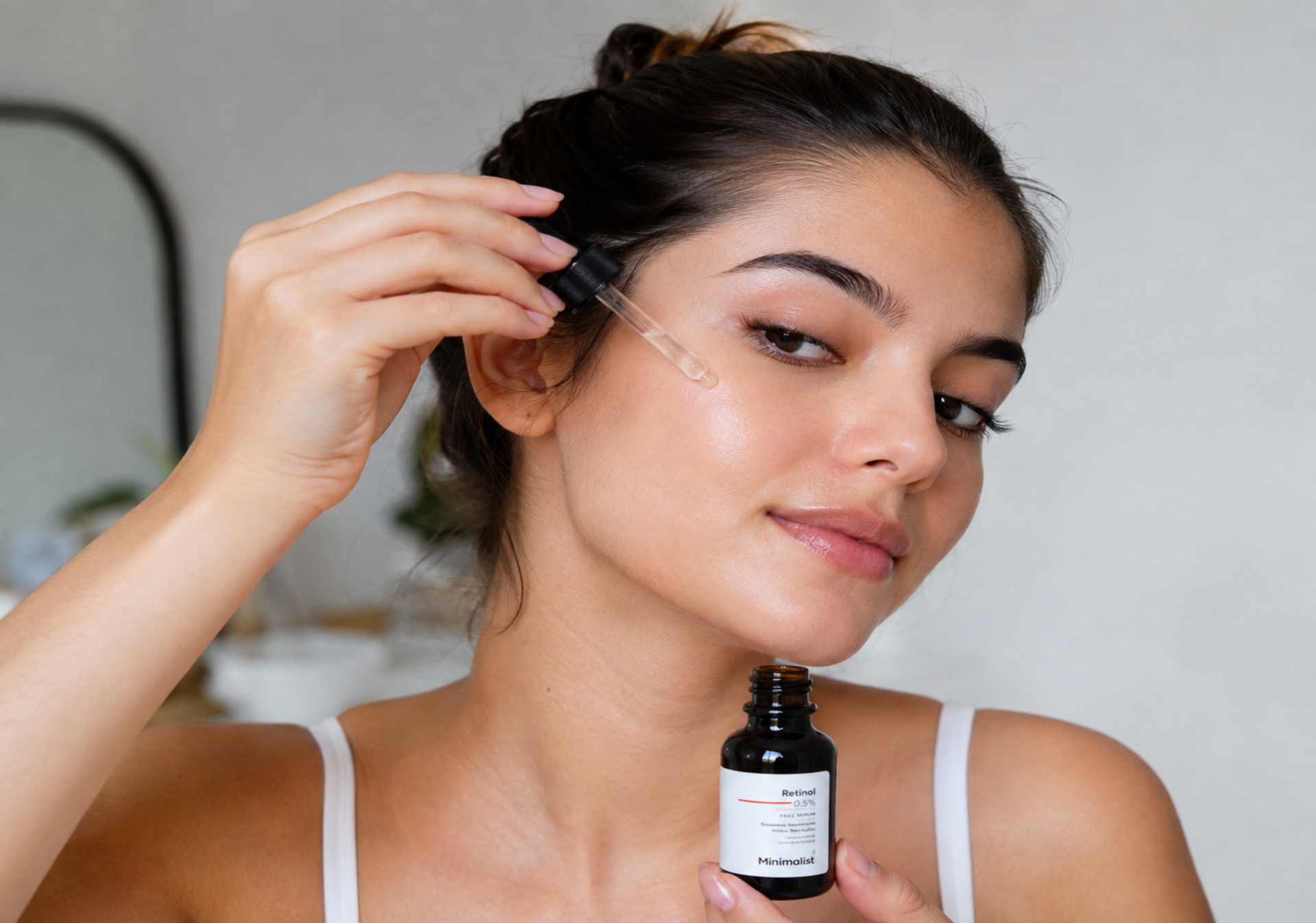

What is Retinol Serum and How Does it Work?
Retinol, a derivative of Vitamin A, is a powerhouse ingredient that has taken the skincare world by storm. Originally utilized in the treatment of acne, its anti-aging properties have made it a staple in many beauty regimens. When applied topically, retinol works by accelerating cell turnover, which means it helps shed old, damaged skin cells and replaces them with new, fresh ones. This not only enhances the skin’s texture but also promotes a more even skin tone.
The magic of retinol lies in its ability to penetrate deep into the skin layers. Unlike many other skincare ingredients that work primarily on the surface, retinol sinks into the dermis, the middle layer of skin. Here, it stimulates collagen production and increases cell turnover, leading to smoother, firmer skin over time. It also helps unclog pores, reducing the likelihood of breakouts and making it a versatile solution for both anti-aging and acne treatment.
Moreover, retinol’s influence extends to the inhibition of melanin synthesis, which can be particularly beneficial for individuals dealing with hyperpigmentation or age spots. By preventing excessive melanin production, retinol helps to lighten dark spots and even out skin tone. The result is a more youthful, radiant complexion that looks and feels rejuvenated.
Key Benefits of Using Retinol Serum
The benefits of incorporating retinol serum into your daily skincare routine are numerous. One of the most notable advantages is its proven ability to reduce the appearance of fine lines and wrinkles. By promoting collagen production, retinol helps to maintain the skin’s elasticity and firmness, making it a powerful ally in the fight against aging.
- Fine Lines & Wrinkles: Promotes collagen production and helps to smooth out the appearance of fine lines.
- Acne: Helps to maintain healthy and clear pores and reduce mild acne.
- Dark Spots: Can improve the appearance of certain types of dark spots and sunspots.
- Skin Texture: Increases skin-cell turnover and improves skin appearance.
- Uneven Skin Tone: Helps to make the complexion brighter.
Consistent use of retinol serum may help to improve skin texture and tone. Nevertheless, you will need some patience as it will take time to see results from using the product, and applying moisturizer and SPF 30+ sunscreen will also help.
Is Retinol Serum Right for You?
Retinol serum can be a useful addition to a skincare routine if your goals include improving fine lines, acne, dark spots, or uneven skin texture. However, it isn’t the right choice for everyone, particularly those with very sensitive or irritated skin. For those who have never used retinol serum before, you should start with low concentrations and apply moisturizer on a regular basis along with broad-spectrum SPF 30 or above every morning. The key is consistency rather than using a stronger product or applying it more often. If you’re unsure whether retinol serum is suitable for your skin or you’re dealing with a specific skin condition, a dermatologist can help you choose the right approach.
Common Uses of Retinol Serum in Skincare
Retinol Serum is a versatile ingredient that is commonly used in a variety of skincare products, each designed to address different skin concerns. One of the most popular uses of retinol is in anti-aging products. Creams, serums, and lotions enriched with retinol are specifically formulated to reduce the appearance of fine lines, wrinkles, and age spots, helping to maintain a youthful complexion.
Another significant use of retinol serum is in acne treatment. Retinol-based products are often recommended by dermatologists for individuals struggling with persistent acne. Its ability to unclog pores and regulate skin cell turnover makes it an effective solution for preventing breakouts and reducing the severity of existing acne. Additionally, retinol serum can help minimize the appearance of acne scars by promoting skin renewal.
Retinol Serum is also widely used in products targeting hyperpigmentation and uneven skin tone. Serums and creams containing retinol can help lighten dark spots and reduce the visibility of sun damage, leading to a more even complexion. Whether you are dealing with age spots, melasma, or post-inflammatory hyperpigmentation, retinol serum can be a valuable tool in your skincare arsenal.
Potential Side Effects of Retinol Serum
Retinol Serum can be effective, but it may cause side effects, especially when you first start using it. Common reactions include dryness, redness, peeling, stinging, and irritation. They usually become more apparent when retinol serum is applied too suddenly. It is recommended that retinol serum be used a few days per week at first and then gradually increased.
It also helps if you use a moisturizer, which will protect your skin from dryness and irritation. Retinol Serum also makes your skin more sensitive to the sunlight, so it is important to wear sunscreen SPF 30 or higher. Some people may also notice a temporary increase in breakouts when starting retinol. If irritation becomes severe or persistent, it is advisable to cut down on usage and consult a dermatologist.
How to Incorporate Retinol Serum into Your Skincare Routine
If you’re new to retinol serum, start slowly to give your skin time to adjust.
- Use a low concentration product especially if this is the first time you will be using retinoids.
- Apply it 2–3 nights per week rather than every night from the beginning.
- Only use a little bit on dry skin then moisturize after application to minimize dryness.
- If your skin tolerates it well, gradually increase the frequency.
- Apply retinol only at night and use sunscreen of SPF 30 or above every morning.
Avoid increasing the amount or frequency too quickly. If you develop significant redness, burning, or persistent peeling, reduce use and speak with a dermatologist.
Tips for Choosing the Right Retinol Serum
Choosing a retinol serum can be confusing, especially with so many products available. Keep these points in mind:
- Start with a lower concentration: New users may need a less concentrated form of retinol to prevent the occurrence of adverse side effects.
- Look for supportive ingredients: Ingredients like ceramides, glycerin, and hyaluronic acid will promote skin barrier integrity and minimize dryness.
- Consider your skin concerns: Pick the product depending on what your aim is whether fine lines, acne, skin tone evenness or discoloration.
- Avoid unnecessary irritants: If you have sensitive skin, fragrance-free formulas may be easier to tolerate.
- Check the packaging: Retinol can degrade when exposed to light and air, so protective, well-sealed packaging is preferable.
In case it is difficult to decide on which type and concentration of retinol to choose, consult a dermatologist.
Comparing Retinol with Other Active Ingredients
Retinol Serum is often compared to other active ingredients in skincare, such as AHAs, BHAs, and Vitamin C, each of which offers unique benefits. AHAs (Alpha Hydroxy Acids) and BHAs (Beta Hydroxy Acids) are chemical exfoliants that help remove dead skin cells and improve skin texture. While they work on the surface, retinol serum penetrates deeper into the skin, making it more effective for long-term anti-aging and acne treatment.
Vitamin C is another powerful ingredient known for its antioxidant properties and ability to brighten the skin. It helps to neutralize free radicals and boost collagen production, similar to retinol. However, Vitamin C is best used in the morning to protect the skin from environmental damage, while retinol is more effective at night when the skin is in repair mode.
Niacinamide, a form of Vitamin B3, is also frequently compared to retinol serum. It is known for its anti-inflammatory properties and ability to improve the skin’s barrier function. While it may not offer the same level of cell turnover as retinol serum, it is an excellent option for those with sensitive skin or those looking to address issues like redness and enlarged pores.